
Why color changes everything
Look at enough black-and-white photos and the past starts to feel like another planet: slower, stiffer, further away. Then the same photo appears in color and the people in it look like someone you could pass in the street. Many people say it feels like seeing them for the first time, or that they were never meant to see them this way.
That reaction is the point. The people in a photo from 1910 saw blue skies, green grass and a red coat exactly as we would. The black and white was a limit of the camera, not of their world. Color takes away the distance the camera added.
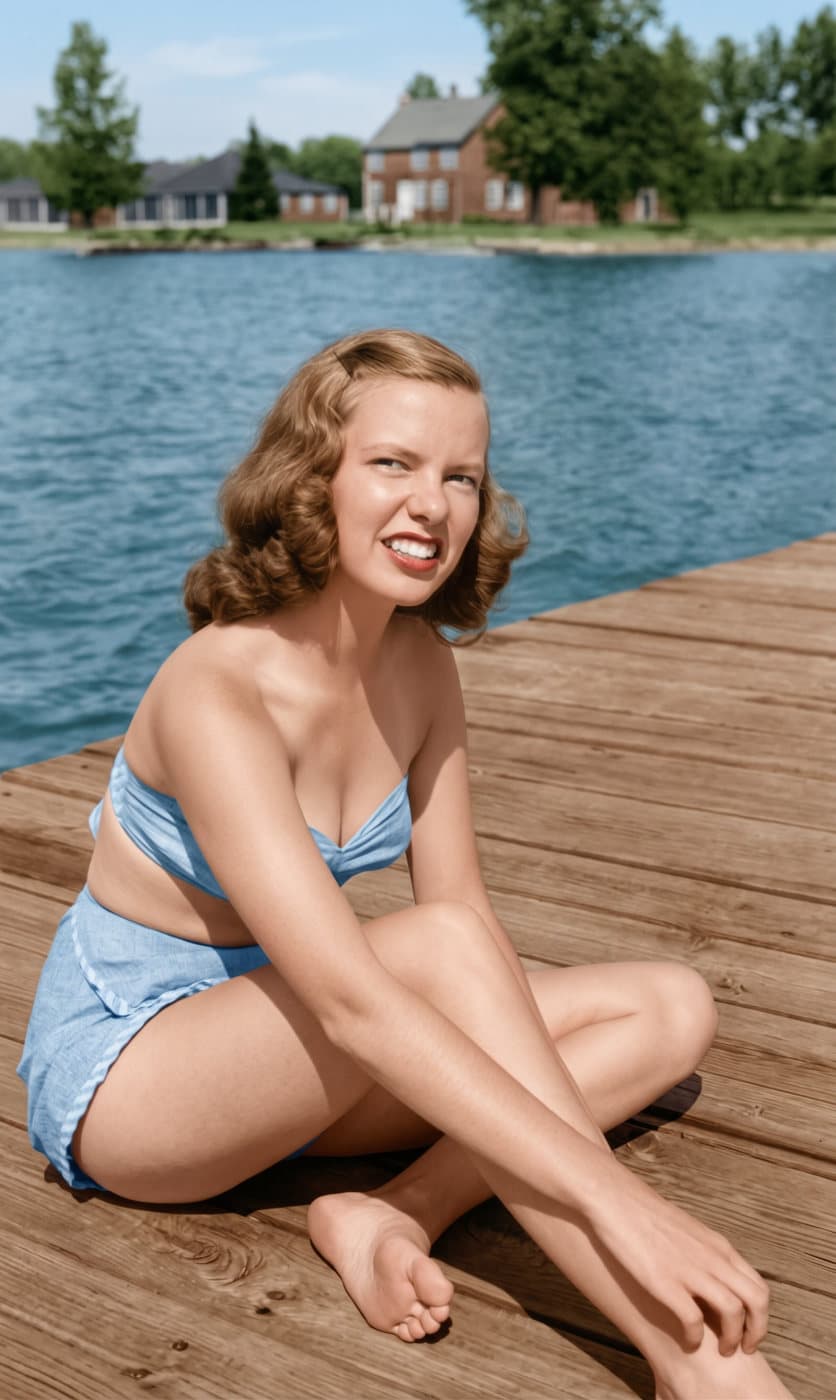
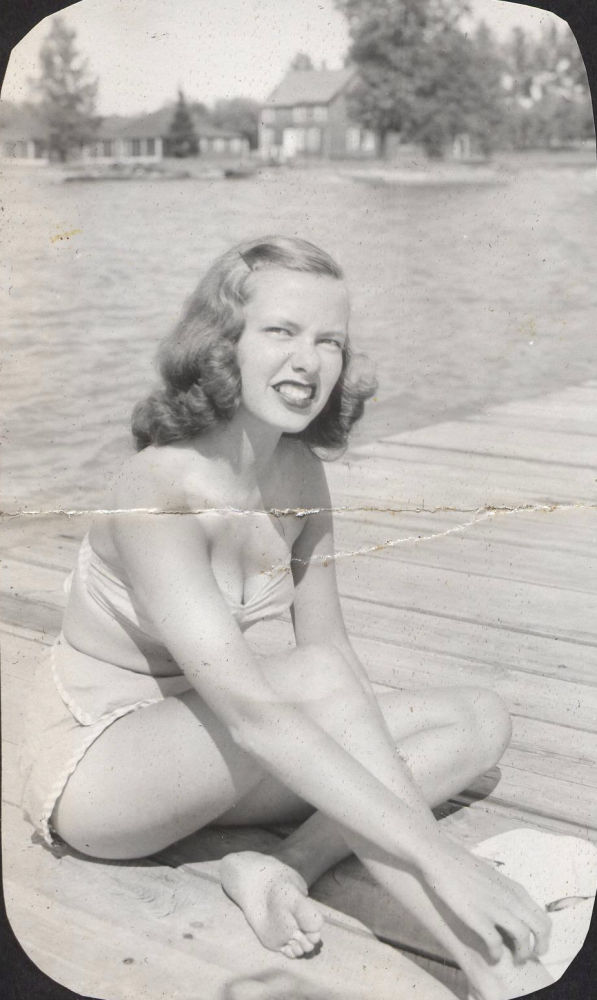 BeforeAfter
Why old photos were black and white
Color photography existed early, but it was slow, expensive and hard. The Autochrome plate, sold from 1907, made real color photographs, and the Russian photographer Sergei Prokudin-Gorsky took thousands of color photos between 1909 and 1915 by shooting three black-and-white exposures through red, green and blue filters. Those surviving images are one of the best checks on what the early 1900s actually looked like.
For everyday snapshots, color film did not become common until the 1950s and 1960s, and many family photos stayed black and white well into the 1970s because it was cheaper.
How old photos are colorized
A black-and-white photo stores one thing for each point: how bright it was. Colorizing means deciding what color each area was, then painting it in while keeping the original light and shadow.
- By hand, an artist paints each area on the scan in layers, researching uniforms, car paint, buildings and fashion of the year. A single photo can take hours or days.
- With AI, a model trained on millions of color photos predicts the likely color of skin, sky, grass, wood and cloth from the shapes and textures it sees. It takes seconds and is often very convincing.
- Many professional colorists now do both: AI for the first pass, then by-hand corrections from research.
For step-by-step methods, see how to colorize black-and-white photos.
How accurate are the colors?
Partly a record, partly a guess. A red dress and a green dress can come out as the same gray in a black-and-white photo, so nothing in the photo itself says which one it was.
| Usually close | Often a guess |
|---|---|
| Skin tones | Often a guess: Clothing, ties, dresses and hats |
| Sky, water and foliage | Often a guess: Cars, painted doors and walls |
| Wood, brick and stone | Often a guess: Military uniforms, badges and insignia |
| Hair, broadly (dark, fair, gray) | Often a guess: Eye color, and red or auburn hair |
Research can fix many of the guesses: regiments had set uniform colors, and car makers published their paint colors.
This is why people who know the subject sometimes spot mistakes, such as a uniform colored green that was really khaki. For family photos, the people who remember are the best source of all: ask what color Grandma's wedding dress, the family car or the front door really was.
A colorized photo is best shared as what it is: a careful reconstruction, shown alongside the black-and-white original.
Colorizing your own family photos
Historic photos are moving; a colorized photo of your own great-grandparents is something else. It is often the first time anyone alive has seen them in color.
Resly colorizes black-and-white and sepia photos on the colorize photos page: upload a scan or a phone photo of the print, and it repairs damage and adds color while keeping each face as it was. Show the result to older relatives: they can tell you which colors are right.
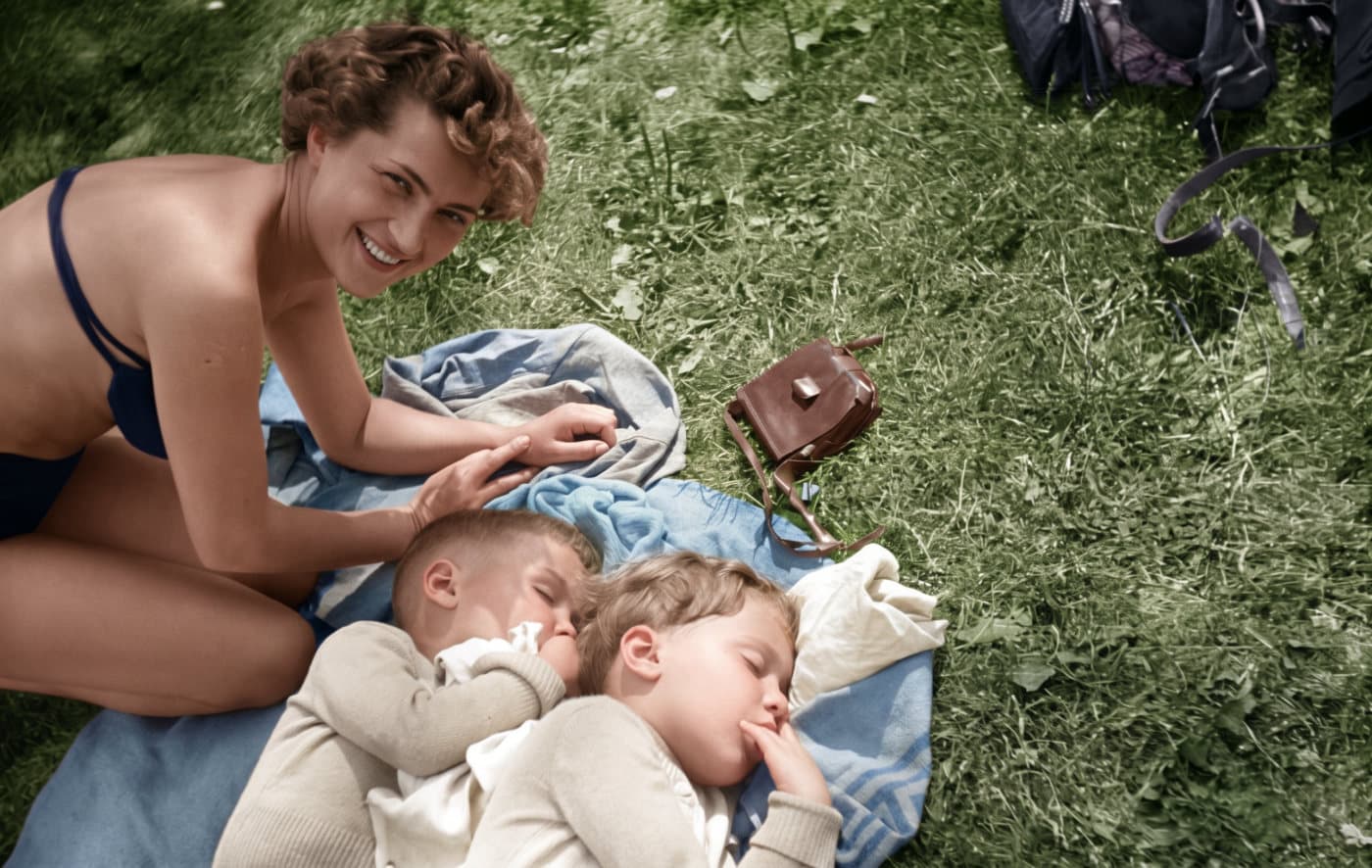
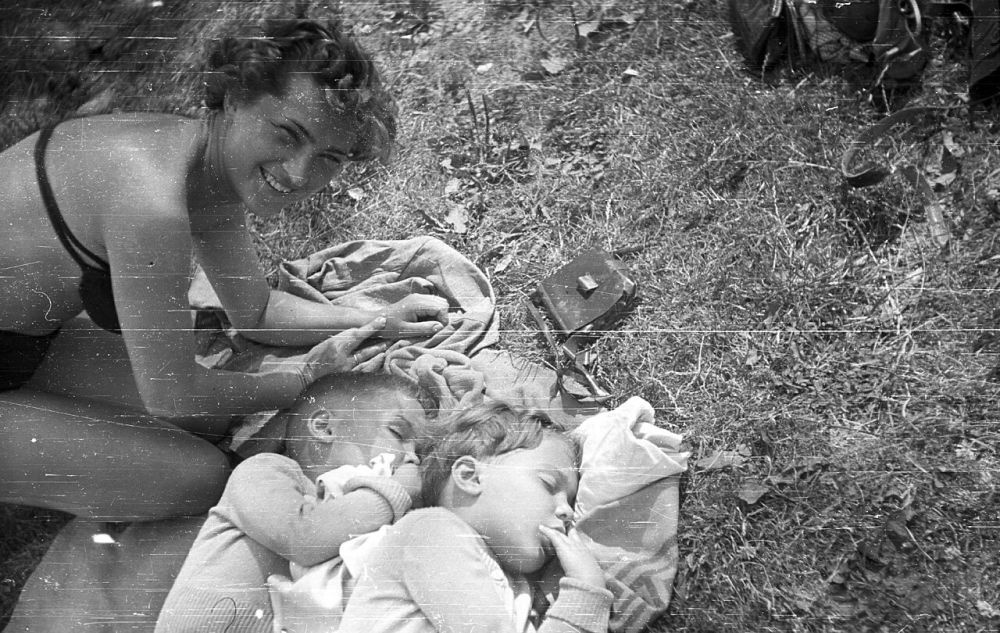 BeforeAfter